Abundant Life

Audio Teaching: Building an Enduring Work of Truth

by Dan Gallagher
History demonstrates that great achievement is often preceded by great vision, and the clearer a person’s or organization’s vision, the more likely they will achieve it. Jesus made it clear that everyone is building something all the time. The questions we need to ask ourselves are:

– What are we building?
– Are we building on the right foundation?
– What is the quality of our work?
– Will it endure?

In this teaching Dan Gallagher explores in detail the scriptural basis for Spirit and Truth Fellowship’s vision, which is Building an Enduring Work of Truth. In doing so, he demonstrates how this vision is applicable to individuals as well. We believe you will be both inspired and challenged as you see how you can build an enduring work of truth in your own life.

Click the arrow to listen.

Related Article

Check out Truth or Tradition teachings on:

Facebook
Twitter
MySpace
YouTube
iTunes
Amazon

Abundant Life

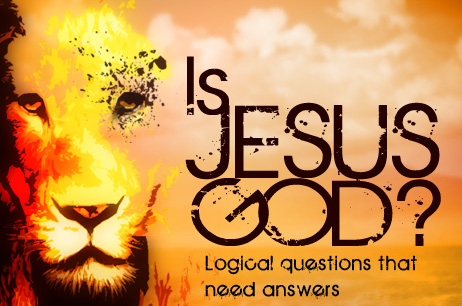
Teaching: Is Jesus God?

Every Sunday I provide videos and valuable links to the Truth or Tradition teachings. We’ve been following the Truth or Tradition teachings for many years now and they have truly blessed our family. We have found peace and happiness through our beliefs and we walk confidently for God. My hope, by passing on this information to you, is that what you find here, or on the Truth or Tradition website, will guide you to a better, more blessed and abundant life.

If you would like to read my views on religion and how we got started with the ministry, you can read this.

Let’s get started:

The Bible is the Word of God. It tells us about the life and death — and resurrected life — of the greatest man who ever lived. His name is Jesus Christ. For centuries men have debated the identity of this unique man. Was he God? Was he a “mere” man? How did he do the things he did?

We assert that the answers lie in the Bible. If so, the question is: “What does the Bible say?” Here is a list of logical questions, with pertinent scripture verses, to help us know whether or not Jesus is God Almighty.

Question #1: If Jesus is God, how could he die for our sins?

1 Timothy 1:17 Now to the King eternal, immortal, invisible, the only God, be honor and glory forever and ever. Amen.

God cannot die, yet Jesus was killed and then resurrected (Acts 5:30). The Bible does not say that only his “human nature” died; it says that Jesus died, which would include all of Jesus (100%).

1 Corinthians 15:3 For what I received I passed on to you as of first importance: that Christ died for our sins according to the Scriptures.

Question #2: How can Jesus be “God” and have a “God” at the same time?

The God of the Bible is the Almighty, the Creator, the Most High, and no one compares to Him. Jesus Christ cannot be “God” if he says that our heavenly Father is his “God.”

You cannot be the “Most High God” and be in submission to the “Most High God” (1 Cor.15:28) and say that He is your God. This makes no sense. If words truly have meaning, then one cannot be “God” and have a “God” at the same time.

Check out the verses below that clearly show that our Father is the “God” of our Lord Jesus Christ:

Ephesians 1:17 I keep asking that the God of our Lord Jesus Christ, the glorious Father, may give you the Spirit of wisdom and revelation, so that you may know him better.

Romans 15:6 …so that with one heart and mouth you may glorify the God and Father of our Lord Jesus Christ.

2 Corinthians 1:3 Praise be to the God and Father of our Lord Jesus Christ, the Father of compassion and the God of all comfort…

Ephesians 1:3 Praise be to the God and Father of our Lord Jesus Christ, who has blessed us in the heavenly realms with every spiritual blessing in Christ.

1 Peter 1:3 Praise be to the God and Father of our Lord Jesus Christ!

The above verses are very clear. Jesus Christ has a God. Who is the God of our Lord Jesus Christ? Ephesians 1:17 very clearly says that this God is our glorious Father. Jesus Christ himself called our Father his “God” and Father many different times in Scripture.

John 20:17 (KJV) …I ascend to My Father and your Father, and My God and your God.’”

Revelation 3:12 Him who overcomes I will make a pillar in the temple of my God. Never again will he leave it. I will write on him the name of my God and the name of the city of my God, the new Jerusalem, which is coming down out of heaven from my God; and I will also write on him my new name.

Revelation 3:21 To him who overcomes, I will give the right to sit with me on my throne, just as I overcame and sat down with my Father on his throne.

Question #3: If Jesus was sitting at the right hand of God in heaven when the book of Revelation was written, why does Jesus continue to make such clear statements that our heavenly Father is his “God” if he himself is God?

Revelation 1:6 …[Jesus] has made us to be a kingdom and priests to serve his God and Father– to him be glory and power for ever and ever! Amen.

Revelation 3:12 Him who overcomes I will make a pillar in the temple of my God. Never again will he leave it. I will write on him the name of my God and the name of the city of my God, the new Jerusalem, which is coming down out of heaven from my God; and I will also write on him my new name.

Question #4: If God cannot be tempted by evil, yet Jesus was tempted in every way we are, how can he be God?

James 1:13 For God cannot be tempted by evil.

Hebrews 4:15 For we do not have a high priest who is unable to sympathize with our weaknesses, but we have one who has been tempted in every way, just as we are—yet was without sin.

The Bible never says that Jesus’ “human nature” was tempted, it says “Jesus” was tempted. Nowhere does it say that “part” of Jesus was tempted; it was “all” of him. If Jesus is God, this is a clear contradiction. Fortunately, Jesus is the human Son of God, so there is no contradiction.

Question #5: If Jesus is God, then why does he pray to God and call Him “the only true God” in John 17:3?

John 17:3 Now this is eternal life: that they may know you, the only true God, and Jesus Christ, whom you have sent.

In this verse, Jesus Christ makes a clear distinction between “the only true God” and himself. Jesus called his Father “the only true God,” and that doesn’t leave any room for Jesus to also be “God.”

Question #6: If Jesus is God, why did he pray at all?

Luke 6:12 One of those days Jesus went out to a mountainside to pray, and spent the night praying to God.

He would have been praying to himself, or another “part” of himself. Did he do it for our benefit alone? To be an example for us? If Jesus were praying to himself, or another part of himself, then he was just “acting.” It wasn’t real prayer (the way we know it), because we don’t pray to ourselves, we pray to God.

Was Jesus just “acting” when he was in the Garden of Gethsemane praying to God that there be another way, that “if it is possible, that the cup be taken” from him? He was asking God if there was another way (i.e., another way beside dying a horrible death on a cross). If Jesus is God, then all of his prayers “to God” make him look rather ludicrous.

Question #7: If Jesus is God, why did he say to his disciples: “Trust in God; trust also in me”?

John 14:1 “Do not let your hearts be troubled. Trust in God; trust also in me.”

Notice that Jesus didn’t say “the Father,” he just said “God.” Jesus once again makes a clear distinction between himself and God.

Question #8: According to the doctrine of the Trinity, the Father and Son are co-equal. If that is true, how can the Father be (in any way) greater than Jesus?

John 14:28 “I am going to the Father, for the Father is greater than I.”

Mark 13:32 “No one knows about that day or hour, not even the angels in heaven, nor the Son, but only the Father.

1 Corinthians 15:27-28
(27) For he (God) “has put everything under his (Jesus) feet.” Now when it says that “everything” has been put under him (Jesus), it is clear that this does not include God himself, who put everything under Christ.

(28) When he (God) has done this, then the Son himself will be made subject to him (God) who put everything under him (Jesus), so that God may be all in all.

Clearly, 1 Corinthians 15:27-28 nullifies the idea that Jesus is God. It says: “Now when it says that ‘everything’ has been put under him (Jesus), it is clear that this does not include God himself, who put everything under Christ.”

How could God make it more plain?

Then it goes on to say: “Then the Son himself will be made subject to him (God) who put everything under him (Jesus), so that God may be all in all.”

Right now Jesus is exalted at the right hand of God, given all authority in Heaven and on Earth, and is “functionally” equal with God. But after Jesus has finished the job of restoring paradise, he will eventually be “made subject” to God, so that God may be all in all.

The doctrine of the Trinity states that Jesus is 100% man and 100% God. Logically, you can’t be 100% of one thing and then even “a little” of something else. That is, if words and numbers have definite meanings.

Question #9: How can Jesus “be like us in every way” and still be “100% man and 100% God”?

Hebrews 2:17 For this reason he had to be made like his brothers in every way, in order that he might become a merciful and faithful high priest in service to God, and that he might make atonement for the sins of the people.

If Jesus is God and also “like us in every way,” that means we are all 100% man and 100% God. This makes no sense. Either Jesus is not God and truly like us in all ways (a man), or he is God and so are we.

What makes more sense?

The Devil and demons call Jesus the Son of God.

Question #10: If Jesus is God and God cannot be tempted, why would the Devil tempt Jesus?

The Bible says that “God cannot be tempted” (James 1:13) and we know that the Devil knows Scripture because he quoted it while trying to tempt Jesus (Matt. 4:6). The Devil is totally evil and persistent, but he is not dumb.

Why did the Devil continue to ask Jesus “if you are the Son of God…” when he was tempting him? Wouldn’t the Devil (Lucifer) and his demons know if they were speaking with the Almighty Himself?

In fact, he tauntingly said to Jesus:

Matthew 4:3 …“If you are the Son of God, tell these stones to become bread.”

Matthew 4:6 If you are the Son of God, he said, throw yourself down.

The Devil knew that Jesus was a man, the Son of God, and the promised Messiah, and that is why he did his best to try to get him to sin. The Devil knew that if he could get Jesus to sin one time, he could not be the perfect sacrifice that was necessary for the forgiveness of our sins.

We believe that Jesus Christ is a unique man because he is the only man who was born of a virgin, who is the Last Adam, who by his free will choices to trust God lived a sinless life, always doing the will of his Father. He died as the perfect sacrifice for our sins so that we too could have a relationship with God. Jesus Christ is the Son of God, our Savior, our Lord, and our Brother. Because of his obedience, God promoted Jesus to the highest place possible – “Lord” over heaven and earth (Acts 2:36; Matt. 28:18). He is now the Head of the Church, working with us to make known God’s love and truth on this earth. He is our Lord and we love him.

Thanks for reading.

(Comments have been turned off. The information is here to inform and bless you. God granted you the gift of free will – take it or leave it).

More from Write From Karen

Abundant Life

Audio Teaching: Fundamentals of Being a Disciple

by John Schoenheit
We are all familiar with “fundamentals,” things that are foundational to success in what we are doing. The fundamentals of math include addition and subtraction. The fundamentals of football include blocking and tackling. There are also fundamentals in the day-to-day practice of the Christian faith.

These include spending time in the Word of God in reading and study; praying; being involved in Christian fellowship; giving to others in various ways; and sharing our faith with others. In this teaching, John Schoenheit covers these five fundamentals of being a disciple, teaching about them and showing why they are important and why we need to be doing all of them on a regular basis.

Click the arrow to listen.

Related Article

Check out Truth or Tradition teachings on:

Facebook
Twitter
MySpace
YouTube
iTunes
Amazon

Abundant Life

Teaching: Reasons to Doubt that the Trinity Exists, Part Two

Every Sunday I provide videos and valuable links to the Truth or Tradition teachings. We’ve been following the Truth or Tradition teachings for many years now and they have truly blessed our family. We have found peace and happiness through our beliefs and we walk confidently for God. My hope, by passing on this information to you, is that what you find here, or on the Truth or Tradition website, will guide you to a better, more blessed and abundant life.

If you would like to read my views on religion and how we got started with the ministry, you can read this.

Let’s get started:

You can read part one here.

(26) Despite all the people who speak of the “Deity of Christ,” the phrase never appears in the Bible, nor is Christ ever called “Deity.” “Deity” is from the Latin “Deus,” which means “God,” and the phrase, “the Deity of Christ,” as it is popularly (but not biblically) used, means “the ‘Godness’ of Christ.” However, Christ is not God, he is Lord, as many clear verses show. Colossians 2:9 says that in Christ the “fullness of Deity dwells bodily” (NRSV). This verse is stating that God (the Deity) placed all His fullness in Christ, which is quite different from saying that Christ is Deity. Earlier in Colossians, the concept is made clear: “God was pleased to have all his fullness dwell in him” (Col. 1:19). That is true. John 3:34 says, “For the one whom God has sent speaks the words of God, for God gives the Spirit without limit.” The fact that Christ has “all the fullness” of God does not make him God. In Ephesians 3:19, the Bible says that Christians should be filled with “all the fullness of God,” and no one believes that this makes Christians God. Furthermore, if Christ were God, it would make no sense to say that the fullness of God dwelt in him, because, being God, he would always have the fullness of God. The fact that Christ could have the fullness of God dwell in him shows that he was not God.

2 Peter 1:4 says that through the great and precious promises “you may participate in the divine nature.” Having a “divine nature” does not make us God, and it did not make Christ God. The New International Version Study Bible note on 2 Peter 1:4 says that it means only that “we are indwelt by God through His Holy Spirit.” Likewise Christ, who was filled with holy spirit without limits, had the fullness of Deity dwelling in Him.

(27) Ephesians 4:5 and 6 says there is “one Lord, one faith, one baptism, one God and Father of all.” The “one Lord” is Jesus. The “one God” is the Father. There are clearly two separate beings represented here, not “one God” composed of Jesus and his Father. Furthermore, there is no verse that says that Jesus and the Father are “one God.”

(28) 1 Corinthians 8:6 says, “yet for us there is but one God, the Father…and there is but one Lord, Jesus Christ.” If there is one God and one Lord, then there are two, and they are not the same.

(29) Jesus called the Father, “the only God” (John 5:44). The New American Standard Version goes so far as to translate it as “the one and only God.” Jesus would not have said this had he believed he himself were God also.

(30) Christ made a distinction between speaking against him and speaking against the Holy Spirit. Luke 12:10: “And everyone who speaks a word against the Son of Man will be forgiven, but anyone who blasphemes against the Holy Spirit will not be forgiven.” If both the Holy Spirit and Christ were co-equal persons in one God, then there would be no difference between speaking against Christ and speaking against the Holy Spirit. [For further study read “34 Reasons Why the “Holy Spirit” Is Not A “Person” Separate From the Only True God, the Father“.]

(31) Christ said his doctrine was not his own. John 7:16: “My teaching is not my own. It comes from Him who sent me.” Christ could not have said this if he were God because the doctrine would have been his.

(32) Jesus and God have separate wills. Luke 22:42: “not my will but yours be done” (cp. John 5:30).

(33) Jesus counted himself and his Father as two, not “one.” John 8:17 and 18: “In your own law it is written that the testimony of two men is valid. I am one who testifies for myself; my other witness is the Father.” Jesus confirmed this truth in John 14:1 when he said: “Do not let your hearts be troubled. Trust in God; trust also in me.” There are literally hundreds of scriptures like these that set forth Jesus and God as separate and distinct beings. “Whoever continues in the teaching has both the Father and the son” (2 John 9). Scripture clearly recognizes the Father and the Son, but not “both” of them as “one God.”

(34) The Bible always portrays God and Christ as two separate beings. Examples are far too many to list, but a few are: When Stephen saw them just before his death, he saw “the son of man standing at the right hand of God” (Acts 7:56); the Church Epistles are authored by both God and Christ; God and Christ rule in the eternal city of Revelation (Chapter 21).

(35) The Bible makes it clear that Jesus is an “heir” of God, and a joint heir with us (Rom. 8:17 – KJV). If Christ is a “person” in the “Godhead” and co-eternal with the Father, then he cannot be an heir, because, as God, he is full owner of all and there is nothing he could “inherit.” He simply would share eternal glory. By making Christ a co-heir with believers and an heir of God, the Bible makes it clear how much Christ is like us. We inherit from the Father, and Christ does too.

(36) The Bible is clear that Jesus is the “image of God” (Col. 1:15; 2 Cor. 4:4). If Christ is the image of God, then he cannot be God, because you cannot be an image of someone and the real person at the same time. If you see a photograph of us, you see our image and you can learn a lot about us from it, but the image is not the real us. Christ is the image of God. We learn a lot about God from seeing Christ, but the simple fact that he is God’s image proves he is not God.

(37) “The only wise God” receives His glory through Jesus Christ (Rom. 16:27: “To the only wise God be glory forever through Jesus Christ”). To reference “God” apart from Christ and say at the same time that God was the “only” God is very clear. Jesus is not, and is not part of, the “only” God.

Trinitarian doctrine teaches that God and Christ (and the Holy Spirit) make up
“One God,” but the Bible teaches they are two distinct beings.

(38) Jesus grew in wisdom, but God is all wise (Luke 2:52: “And Jesus increased in wisdom”). Also, Jesus “learned obedience” (Heb. 5:8). God does not need to learn obedience.

(39) Jesus had limited knowledge. For example, Mark 13:32 says: “No one knows about that day or hour, not even the angels in heaven, nor the Son, but only the Father.” [Although some Greek texts omit “nor the Son,” Trinitarian textual scholars now admit the phrase was in the original text of Mark. It was Trinitarian scribes who tried to have this phrase taken from the Bible because it disagreed with their theology and they could not explain it.] Even after his resurrection, Jesus still receives knowledge from God as Revelation 1:1 indicates: “The revelation of Jesus Christ, which God gave him.”

(40) Scripture teaches that it was fitting that God should “make” Jesus “perfect through suffering” (Heb. 2:10). God is, and has always been, perfect, but Jesus needed to attain perfection through his suffering.

(41) Jesus received the holy spirit at his baptism. If Jesus were God and the holy spirit were God, then God would have been anointed by God. What purpose would this have served? We know why people are anointed, but what power could God give to Himself? Jesus was given holy spirit just as believers are today.

(42) Jesus was “tempted in every way—just as we are” (Heb. 4:15), yet the Bible is clear that God cannot be tempted: “for God cannot be tempted by evil” (James 1:13).

(43) At times of weakness or difficulty, angels ministered to and strengthened Jesus. Luke 22:43 says, “An angel from heaven appeared to him and strengthened him [in the garden of Gethsemane].” Men need to be strengthened; God does not (cp. Matt. 4:11, Mark 1:13).

(44) Scripture teaches that Jesus died. God cannot die. Romans 1:23 and other verses say that God is immortal. Immortal means “not subject to death.” This term applies only to God.

(45) Hebrews 4:15 says that when Jesus was on earth, he was “just as we are.” None of us would have the feelings, the doubts, the fears, etc., that we do if we were God. To say that God feels like I do is to make a mockery of God. Jesus was the expected Messiah of God, the Last Adam, a “man accredited by God,” as Acts 2:22 says.

(46) Hebrews 2:10 and 11 say that Jesus is not ashamed to call us his “brothers,” because we have the same Father he does. The Bible teaches that we are “brothers” of Jesus and “sons of God.” The Bible never says or even infers that we are “brothers of God.”

(47) We are commissioned to do “greater works” than Jesus. This would be absurd if Christ were God, because then we disciples would be commissioned to do greater works than God does. John 14:12 (NASB) says, “He who believes in me [Jesus], the works that I do shall he do also; and greater works than these shall he do.”

God is God because of certain attributes that He has. If Jesus Christ were God, he would have to have the attributes of God. Most theologians agree that these attributes are: unoriginated, self-existent, immortal, unchanging, omniscient, all wise, all good, all-powerful and omnipresent. But Jesus denied every one of these.

He was not unoriginated: Christ was begotten of God. “The Father has life in Himself, so He has granted the Son to have life in himself” (John 5:26).

He was not self-existent: “I live because of the Father” (John 6:57).

He was not immortal. Jesus died and God resurrected him (See # 44 above).

He was not unchanging. He grew and learned, and he died and rose in a new and different body.

He was not omniscient. There were things he did not know (See # 39 above).

He was not all wise. Jesus “grew in wisdom” (See # 38 above).

He was not all good. He said the only one good was God (See # 20 above).

He was not all-powerful. Whereas “nothing is impossible with God” (Luke 1:37), Christ said “the Son can do nothing by Himself” (John 5:19).

He was not omnipresent. After Lazarus died, Jesus told his disciples, “I am glad I was not there” (John 11:15).

The attributes of God are what make Him God, just as there are certain attributes that make a man what he is. There is a common saying that “if it walks like a duck and quacks like a duck, then it’s a duck.” This could easily be applied here. God “walks and quacks” like God. Jesus “walks and quacks” like a man, and Scripture says very clearly that he is a man. We assert that the Bible is clear in its teaching about who God is and who Christ is, and we ask Christians to carefully consider what they believe and why.

We also think that believing that Jesus is God, “the Holy Spirit” is God, and the Father is God actually demeans the only true God. Making God one of three co-equal “persons” takes from Him His exalted position as the only true God, the Creator of the universe, the Author of the plan of Salvation, the Father of Jesus Christ, and our one God.

Besides robbing God of His exalted position as God supreme, believing that Jesus is God also demeans him. One cannot appreciate how great Jesus really was until you make an effort to live like he did for even one day. His courage, mental tenacity, love and great faith are unparalleled in human history. His true greatness is lost if you believe he is God, for “with God all things are possible.” Believing Jesus is God also demeans God because Jesus himself said, “my Father is greater than I.”

Believing that Christ is God also means that he could not have sinned [which makes sense given that “God” cannot sin]. Christ must have been able to sin, for Scripture says he was “tempted in every way just as we are.” Christ went through life like each human does, with doubts, fears and concerns, and with the possibility of sin. To believe that Jesus could not have sinned makes it impossible for us to identify with him.

By restoring the Father to His unique and singular position as God, we give Him all the worship, credit, respect and awe He deserves as the one true God. By restoring Christ to his position as the man accredited by God, the only-begotten Son of the Father, the Last Adam, the one who could have sinned but voluntarily stayed obedient, the one who could have given up but loved us so much that he never quit, the one whom God highly exalted to be our Lord, we give Jesus Christ all the worship, credit, respect and awe that he deserves, and we can draw great strength and determination from his example.

Thanks for reading.

(Comments have been turned off. The information is here to inform and bless you. God granted you the gift of free will – take it or leave it).

More from Write From Karen

Abundant Life

Audio Teaching: The Birth of Christ

by John Schoenheit
The Christmas story about the birth of our Savior is deeply embedded in people’s minds, and supported by years of teachings, songs, pictures, “living manger scenes,” and so forth. Tradition teaches us that Joseph and Mary arrived in Bethlehem the night she gave birth, only to find that the local inn was full and no one in the village had room for them. So they found a place of shelter in a local stable and Mary gave birth alone and unsupported, except by her husband and some barn animals.

In this teaching, John Schoenheit gives a much more accurate account of the birth of Christ, one supported both by Scripture and biblical custom. Joseph and Mary arrived in Bethlehem a number of days before the birth of Jesus, and were taken into the home of a local family whose guestroom was full. The family brought the couple into their own living quarters, and Mary gave birth in the house of a loving family, with support from the women of the family and likely even the village midwife, just as any woman in that culture would have done. Understanding the Christmas story this way is not only biblically accurate, but shows a lot more of the “Christmas spirit” than does a village that would not open their homes or their hearts to a couple in need.

Click the arrow to listen.

Transcription | Related Article

Check out Truth or Tradition teachings on:

Facebook
Twitter
MySpace
YouTube
iTunes
Amazon

Abundant Life

Teaching: Reasons to Doubt that the Trinity Exists, Part One

Every Sunday I provide videos and valuable links to the Truth or Tradition teachings. We’ve been following the Truth or Tradition teachings for many years now and they have truly blessed our family. We have found peace and happiness through our beliefs and we walk confidently for God. My hope, by passing on this information to you, is that what you find here, or on the Truth or Tradition website, will guide you to a better, more blessed and abundant life.

If you would like to read my views on religion and how we got started with the ministry, you can read this.

Let’s get started:

There are many verses that, if read and believed in a simple, straightforward manner, should clearly convince any unbiased person that God and Jesus are two completely different and distinct beings. There are also many logical reasons that should cause us to doubt the doctrine of the Trinity. What follows is a list of some reasons to believe that the Father is the only true God of Scripture and has no equal.

(1) The word “Trinity” is not in the Bible.

(2) There is no clear Trinitarian formula in the Bible.

(3) Trinitarians differ greatly in their definitions of the Trinity. The Eastern Orthodox Church differs from the Western traditions regarding the relation of the Holy Spirit to the Father and the Son. Some television evangelists differ greatly from the Reformed Churches in their concept of Christ’s divinity while he was on earth. Oneness Pentecostals say the classic formula of the Trinity is completely wrong. Yet all these claim that Christ is God and that the Bible supports their position. Surely if the Trinity were a part of Bible doctrine, and especially if one had to believe it to be saved, it would be clearly defined in Scripture. Yet there is no Trinitarian formula in the Bible and Trinitarians themselves cannot agree on a definition. If one is to believe in the Trinity, how is he to know which definition is correct, since none appears in the Bible?

(4) The Trinitarian contention that “the Father is God, the Son is God, the Holy Spirit is God, and together they make one God” is not in Scripture and is illogical. Trinitarians teach that Jesus is both 100 percent man and 100 percent God. We say that God can do the impossible, but He cannot perform that which is inherently contradictory. God is the inventor of logic and mathematics, disciplines He created to allow us to get to know Him and His world. It is the very reason why He said that He is “One God,” and why Jesus said that the witness of two was true and then said that he and His Father both were witnesses. God cannot make a round square, and He cannot make 100 percent +100 percent = 100 percent, without contradicting the laws of mathematics that He designed.

Verses that show a difference between the nature of God and the nature of Christ

(5) God is spirit (John 4:24), yet even after his resurrection Jesus said of himself that he was not a spirit, but flesh and bone (Luke 24:39).

(6) Jesus is very plainly called a man many times in Scripture: John 8:40; Acts 2:22; 17:31; 1 Timothy 2:5, etc. In contrast to this, the Bible says, “God is not a man…” (Num. 23:19), and “…For I am God, and not man…” (Hosea 11:9).

(7) Numbers 23:19 also specifically says that God is not “a son of man.” In the Gospels, Jesus is often called “a son of man” or “the son of man.” If God became a human being who was called “the son of man” this creates a contradiction. Some occurrences of the phrase “son of man” in the New Testament are Matthew 12:40; 16:27 and 28; Mark 2:10; 8:31; John 5:27. In the Hebrew Scriptures, the “son of man” is also used many times speaking of people (Job 25:6; Psalm 80:17; 144:3; Ezekiel 2:1; 2:3; 2:6; 2:8; 3:1; 3:3; 3:4; 3:10; 3:17; 3:25). Human beings, including Jesus Christ, are called “son of man,” and are thus carefully distinguished from God, who is not a “son of man.”

(8) God was not born, but is eternal. In contrast to the eternal God, Christ was “begotten,” that is, he had a beginning. Matthew 1:18 reads ‘Now the birth of Jesus Christ….” The word translated “birth” in the original text was genesis, or “beginning.” Some scribes changed this to gennesis [with a double “n” and the second “e” long] because they were uncomfortable saying Jesus had a “beginning.” Although it is true that a legitimate meaning of genesis is “birth,” that is because the birth of something is understood as its beginning. If Jesus pre-existed his birth, as Trinitarians teach, the use of “beginning” in Matthew is misleading. Scripture teaches that the beginning of Jesus was his conception and birth. Thankfully, even modern Trinitarian scholars recognize that the original reading was genesis, although it is translated as “birth” in almost all translations.

(9) Jesus is called the “Son of God” more than 50 times in the Bible. Not once is he called “God the Son.”

(10) Man (Adam) caused mankind’s problems, and Romans 5:19 says that a man will have to undo those problems: “For just as through the disobedience of the one man the many were made sinners, so also through the obedience of the one man the many will be made righteous.” Some theologians teach that only God could pay for the sins of mankind, but the Bible clearly teaches that only a man could do it. [For further study read “How can a man atone for the sins of mankind?”]

(11) Jesus, the man, is the mediator between God and men. 1 Timothy 2:5 says: “For there is one God and one mediator between God and men, the man Christ Jesus.” Christ is clearly called a “man,” even after his resurrection. Also, if Christ were himself God, he could not be the mediator “between God and man.”

Verses that show that God is greater than Christ

(12) Jesus called the Father “my God” both before and after his resurrection (Matt. 27:46; John 20:17; Rev. 3:12). Jesus did not think of himself as God, but instead had a God just as we do. For example, he told Mary Magdalene to go to the brothers and tell them, “I ascend to my Father and your Father, and my God and your God” (John 20:17). Thus Jesus’ God is the same God as our God, the Father.

(13) Jesus said, “My Father is greater than I” (John 14:28). In direct contrast to these clear words from Jesus, the orthodox formula of the Trinity says that the Father and the Son are “co-equal.”

(14) It was God who made Jesus “Lord.” Acts 2:36 says: “God has made this Jesus…both Lord and Christ.” “Lord” is not the same as “God.” “Lord” (the Greek word is kurios) is a masculine title of respect and nobility, and it is used many times in the Bible. If Christ were God, then by definition he was already “Lord,” so for the Bible to say he was “made” Lord could not be true. To say that Jesus is God because the Bible calls him “Lord” is very poor scholarship. “Lord” is used in many ways in the Bible, and others beside God and Jesus are called “Lord.”

1) property owners are called Lord (Matt. 20:8, kurios is “owner” — NIV)
2) heads of households were called Lord (Mark 13:35, owner=kurios).
3) slave owners were called Lord (Matt. 10:24, master=kurios).
4) husbands were called Lord (1 Pet. 3:6, master=kurios).
5) a son called his father Lord (Matt. 21:30, sir=kurios).
6) the Roman Emperor was called Lord (Acts 25:26, His Majesty=kurios).
7) Roman authorities were called Lord (Matt. 27:63, sir=kurios).

(15) In the future, the Son will be subject to the Father. 1 Corinthians 15:28 says: “When he has done this, then the Son himself will be made subject to him [God] who put everything under him, so that God may be all in all.” Trinitarian dogma contradicts this by making Jesus eternally equal to the Father.

(16) Jesus recognized that the Father was the only true God. In prayer, he said to God “…that they might know you, the only true God, and Jesus Christ whom you have sent” (John 17:3). For Jesus to have prayed this way surely meant that he did not consider himself to be “the only true God.”

(17) Jesus was “sanctified” by God. John 10:36 says: “Do you say of him whom the Father sanctified and sent into the world, ‘You are blaspheming’ because I said ‘I am the son of God’”? (NASB). Jesus was sanctified by God, but God does not need to be sanctified.

(18) Philippians 2:6-8 has been mistranslated in many versions, but properly rendered, verse 6 says that Christ “did not consider equality with God something to be grasped.” Jesus Christ was highly exalted by God because he did not seek equality with God like Lucifer had many years earlier. The statement makes no sense at all if Christ were God, because then Christ would have been praised for not seeking equality with himself.

(19) It was clear that Jesus did not consider himself equal with the Father. In John 5:19, he said, “The Son can do nothing by himself; he can only do what he sees his Father doing” (cp. v. 30 and John 8:28 and 12:49).

(20) There is only one who is “good,” and that is God. In Luke 18:19, Jesus spoke to a man who had called Him “good,” asking him, “Why do you call me good? No one is good except God alone.” If Jesus had been telling people that he was God, he would have complimented the man on his perception, just as he complimented Peter when Peter said he was “the Christ, the Son of the living God.” Instead, Christ gave him a mild rebuke. Christ was not teaching the people that he was God.

(21) 1 Corinthians 3:23 makes it clear that God is greater than Christ, just as Christ is greater than we are: “…and you belong to Christ; and Christ belongs to God” (NASB).

(22) If God is greater than Christ, then God is his leader just as Christ is our leader. This is exactly what the Bible teaches: “Now I want you to realize that the head of every man is Christ, and the head of the woman is man, and the head of Christ is God” (1 Cor. 11:3). It is obvious from this verse and 1 Corinthians 3:23 (above) that the Trinitarian formula that Christ and God are “co-equal” is not biblical.

(23) When the disciples prayed to God in Acts, they called King David God’s “servant” (4:25). Later in that same prayer they called Jesus “your holy servant” (4:30). It is very obvious that the first century disciples did not believe Christ was God, but thought of him, like David, as a servant of God (cp. Matt. 12:18 and Acts 3:26, which also refer to Jesus as God’s “servant”).

(24) It was God who did miracles and wonders through Christ. (Matt. 9:8; Acts 2:22; 10:38). If Christ were God, the Bible would simply say that Christ did the miracles himself without making reference to God. The fact that it was God supplying the power for the miracles shows that God is greater than Christ.

(25) There are many verses indicating that Jesus’ power and authority was given to him by the Father. If he were the eternal God, then he would have always had those things that Scripture says he was “given.” Christ was given “all authority” (Matt. 28:18). He was given “a name above every name” (Phil. 2:9). He was given work to finish by the Father (John 5:36). He was given those who believed in him by the Father (John 6:39; 10:29). He was given glory (John 17:22 and 24). He was given his “cup” [his torture and death] by the Father (John 18:11). God “seated” Christ at His own right hand (Eph. 1:20). Christ was “appointed” over the Church (Eph. 1:22). These verses and others like them make no sense if Christ is “co-equal” with the Father, but make perfect sense if Christ was the Messiah, “a man accredited by God.”

Thanks for reading.

(Comments have been turned off. The information is here to inform and bless you. God granted you the gift of free will – take it or leave it).

More from Write From Karen

Abundant Life, Politics

Twas the Month Before Christmas and Not a Christian was Praying

*Twas the month before Christmas*

*When all through our land,*

*Not a Christian was praying*

*Nor taking a stand.*

*See the PC Police had taken away,*

*The reason for Christmas – no one could say.*

*The children were told by their schools not to sing,*

*About Shepherds and Wise Men and Angels and things.*

*It might hurt people’s feelings, the teachers would say*

* December 25th is just a ‘Holiday’.*

*Yet the shoppers were ready with cash, checks and credit*

*Pushing folks down to the floor just to get it!*

*CDs from Madonna, an X BOX, an I-pod*

*Something was changing, something quite odd! *

*Retailers promoted Ramadan and Kwanzaa*

*In hopes to sell books by Franken & Fonda.*

*As Targets were hanging their trees upside down*

* At Lowe’s the word Christmas – was no where to be found.*

*At K-Mart and Staples and Penny’s and Sears*

*You won’t hear the word Christmas; it won’t touch your ears.*

*Inclusive, sensitive, Di-ver-si-ty*

*Are words that were used to intimidate me.*

*Now Daschle, Now Darden, Now Sharpton, Wolf Blitzen*

*On Boxer, on Rather, on Kerry, on Clinton!*

*At the top of the Senate, there arose such a clatter*

*To eliminate Jesus, in all public matter.*

*And we spoke not a word, as they took away our faith*

* Forbidden to speak of salvation and grace*

*The true Gift of Christmas was exchanged and discarded*

*The reason for the season, stopped before it started.*

*So as you celebrate ‘Winter Break’ under your ‘Dream Tree’*

*Sipping your Starbucks, listen to me.*

*Choose your words carefully, choose what you say*

*Shout MERRY CHRISTMAS, not Happy Holiday!*

Please, all Christians join together and wish everyone you meet MERRY CHRISTMAS!!

Christ is The Reason for the Christ-mas Season!


In case you haven’t noticed, it’s become “cool” to diss Christians nowadays. Why is that? Are non-Christians threatened by our God? Are non-Christians jealous that we have hope in this dismal world? Is it because they don’t understand what Christianity is? Is it because some Christians have given the faith a bad name over the years?

All of the above?

I could go into a long, detailed post about how people have become scared to admit they are Christians in this day and age, but I won’t. And here’s why:

Because Lindsay, from Suburban Turmoil, says it SO much better than I do.

And please, read the comments – they’re relevant, interesting and many “opposing” readers have valid points.

It all boils down to this: RESPECT. For each other, and for differing points of view.

And it’s no longer “cool” to make fun of Christians. Because I believe Christians have finally had enough. And they’re starting to stand up and defend themselves. And more and more people are waking up to realize that these non-Christian people who take the time and exert their energy to say, act and/or blog disparaging comments about Christianity are being exposed for the bitter, sad, lost, angry people that they are.

Is this an excuse to shun them?

Hardly.

It’s a silent cry for guidance, kindness and help that we, as Christians, have been called upon to offer them. If they reject our help, then that is their decision, but it is our responsibility as Christians to be the bigger person in this evil, corrupt world and offer a helping hand to those that are willing to accept it.

You can’t please everyone. IT. IS. IMPOSSIBLE. All you, me, and other Christians can do, is stand firm in our beliefs and be available if they need us.

I am a Christian. I am not afraid to admit that fact. I stand up for what I believe. And if people believe differently than I do, then that is their choice. I will not make fun of them or belittle what they believe. I have the freedom to disagree, and I’m not afraid to voice that disagreement in a rational, kind, and respectful way. Disagreeing does not mean I’m dismissing their views/opinions. It does not mean I’m making fun of their views/opinions, it means I disagree.

It’s as simple as that.

Please realize that if you’re one of those people who make a habit of snarling at Christians – we, the WORLD, see right through you.

Think about it.

And God loves you. Whether you accept that fact or not.